The latest in legal AI and professional work
Contract review, meeting workflows, client communication, and our research on long-term memory and AI employees.
Should a CEO Step Aside During an Independent Board Investigation?
Learn how boards assess leave, recusal, access restrictions, succession, and other interim controls during an independent CEO investigation.
Read more
When Must a Public Company Disclose CEO Personal Conduct?
Learn when CEO personal conduct may become material to investors and how legal teams should assess disclosure, preservation, and litigation risk.
Read more
Executive Relationships and Export-Control Risk: A Legal Due Diligence Guide
Learn how executive relationships can create export-control red flags and how legal teams should investigate end users, access, diversion, and records
Read more
The Nvidia CEO Investigation: What Boards Should Do When Personal Conduct Creates Corporate Risk
Nvidia's investigation shows how boards should handle executive conduct, security concerns, conflicts, evidence, disclosure, and independence.
Read more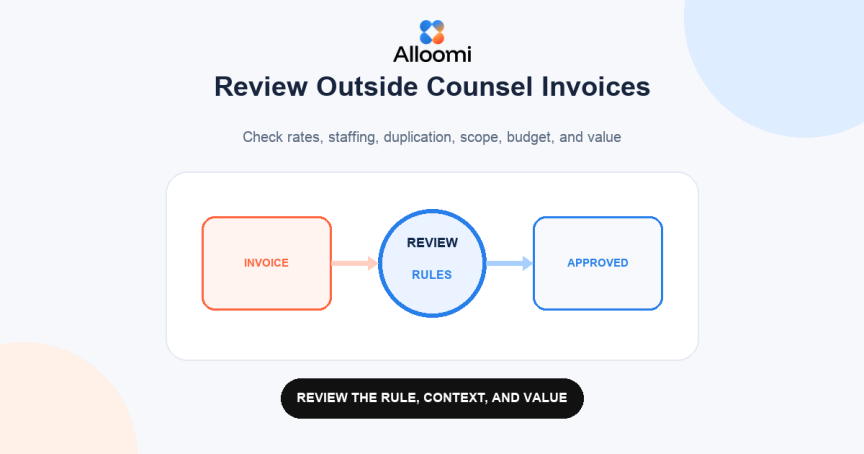
How to Review Outside Counsel Invoices Without Missing Billing Problems
Learn how legal teams review outside counsel invoices for rate errors, duplicate work, vague entries, budget drift, and guideline violations.
Read more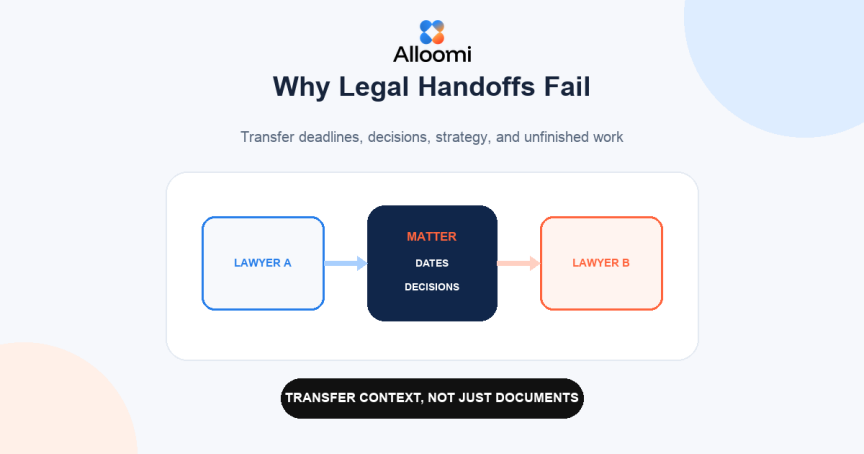
Why Legal Handoffs Fail: How to Transfer a Matter Without Losing Context
Learn how legal teams transfer matters without losing deadlines, client instructions, strategy, document history, approvals, and next actions.
Read more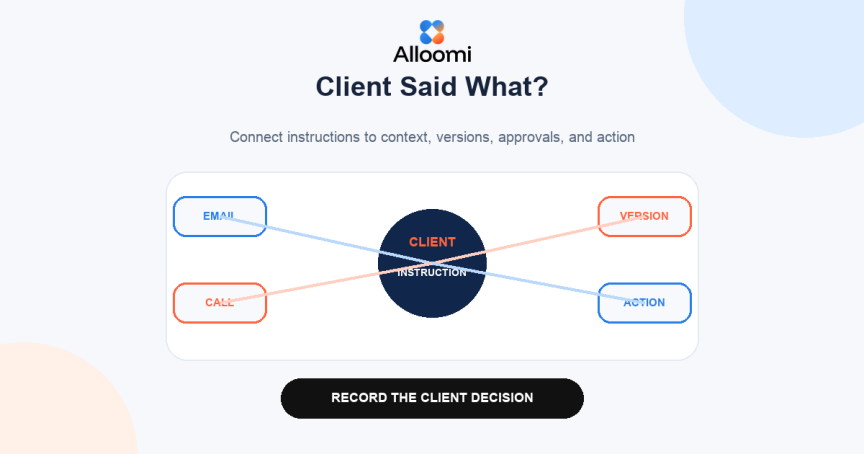
Client Said What? How Legal Teams Track Instructions Across Emails, Calls, and Documents
Learn how legal teams capture, confirm, connect, update, and preserve client instructions across email, calls, documents, and matter workflows.
Read more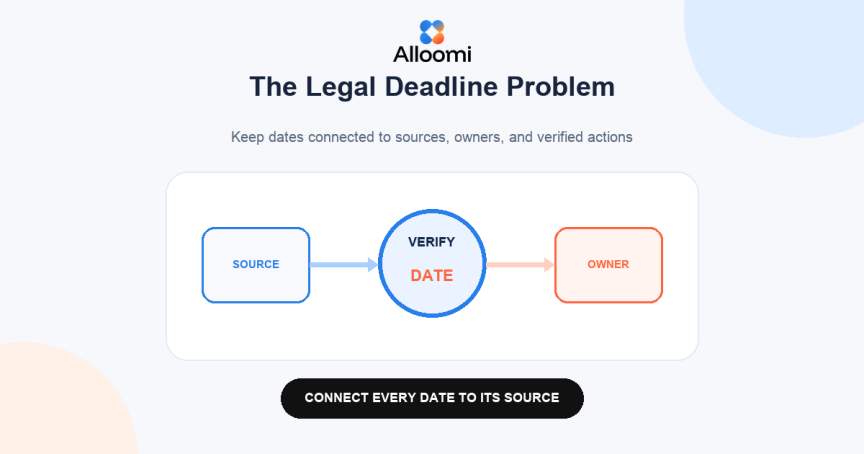
The Legal Deadline Problem: How Lawyers Stop Dates From Getting Lost
Learn how legal teams capture, verify, assign, monitor, and update deadlines found across court notices, contracts, emails, and matter documents.
Read more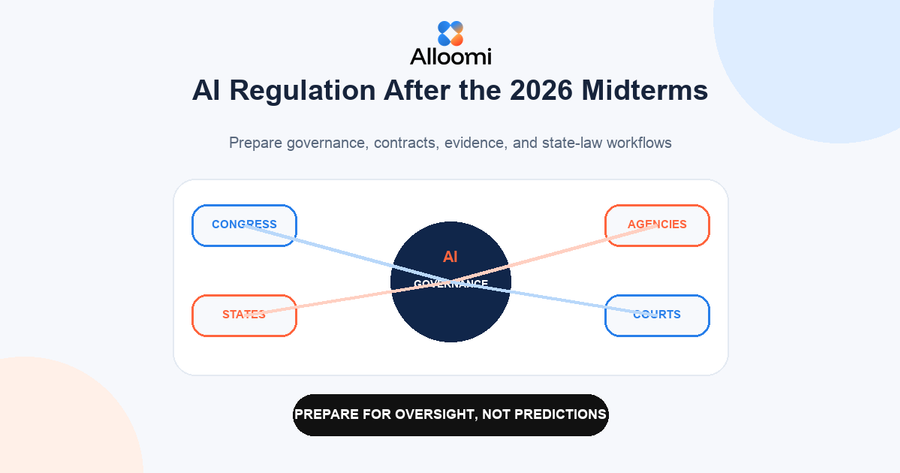
AI Regulation After the 2026 Midterms: What Legal Teams Should Prepare for in 2027
The 2026 midterms may increase AI oversight. Learn what legal teams should prepare for 2027 across governance, contracts, evidence, and state laws.
Read more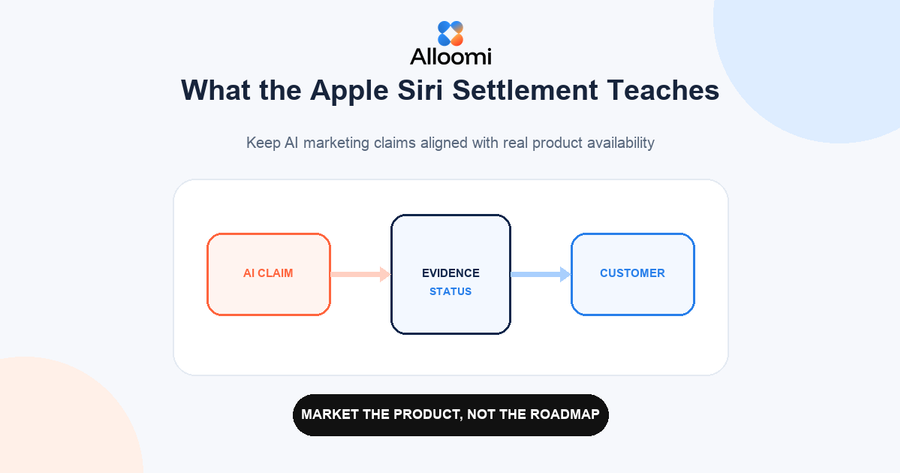
Apple's $250 Million Siri Settlement: What Legal Teams Should Review Before Marketing AI Features
Apple's $250 million Siri settlement highlights AI marketing risks involving feature availability, product timelines, disclosures, and evidence.
Read more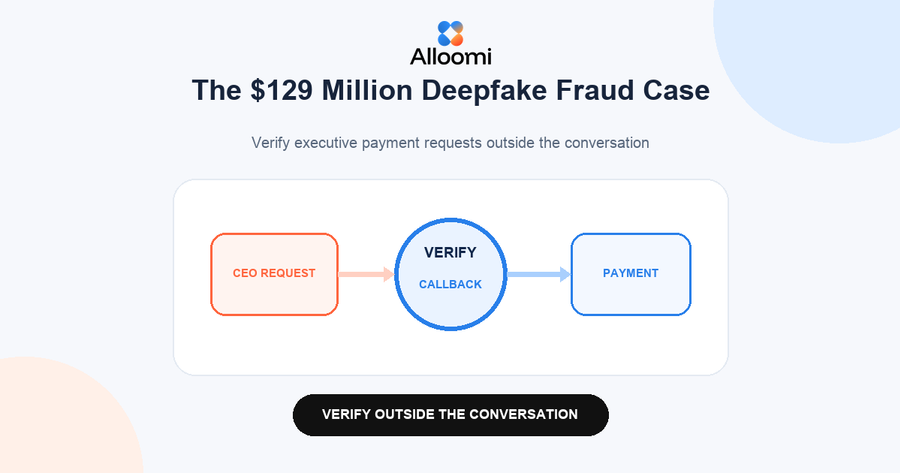
A $129 Million Deepfake Fraud Case: How Companies Should Verify Executive Payment Requests
A $129 million AI fraud case shows why companies need independent payment checks, escalation, evidence preservation, and legal review.
Read more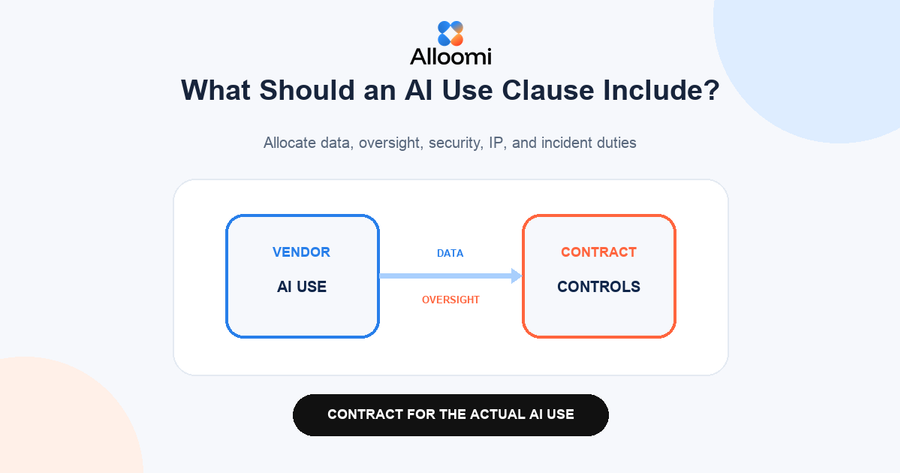
What Should an AI Use Clause Include in a Vendor Contract?
Learn what an AI use clause should cover, including data use, training, human review, security, IP, incidents, audit rights, and liability.
Read more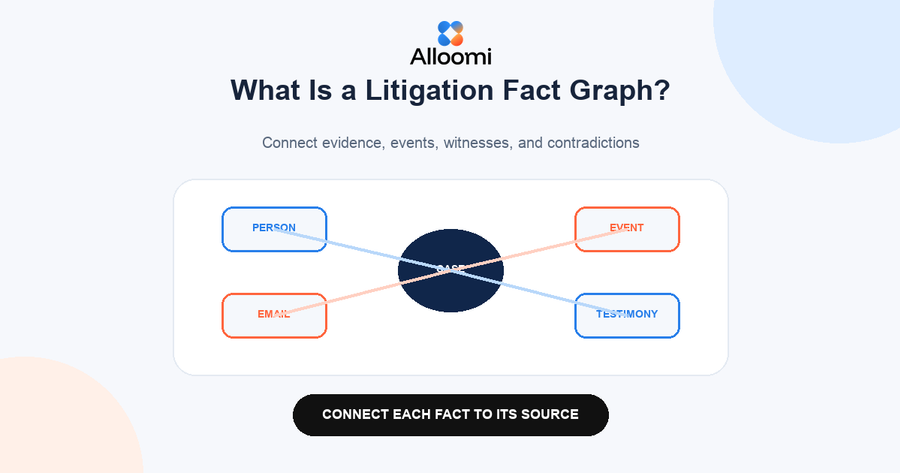
What Is a Litigation Fact Graph? How AI Connects Evidence, Events, and Contradictions
Learn how a litigation fact graph connects people, events, claims, and source documents to help lawyers test timelines and contradictions.
Read more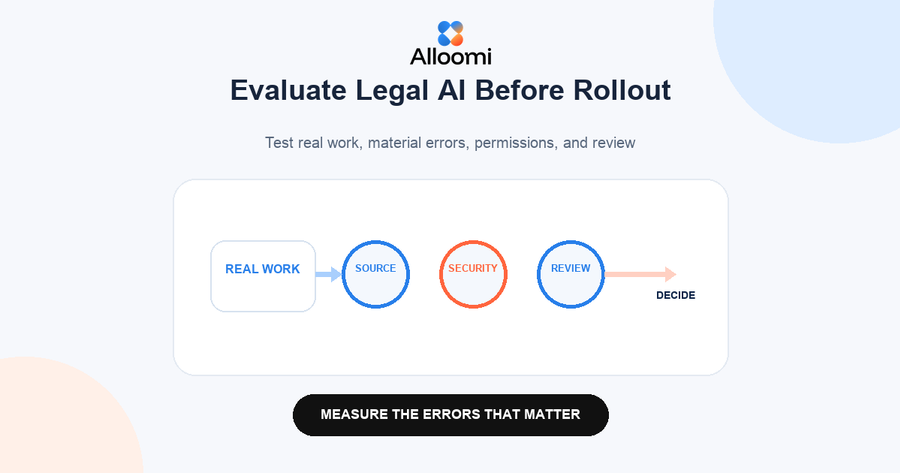
How to Evaluate a Legal AI Tool Before Firmwide Rollout
Use a risk-based pilot to test legal AI accuracy, sources, security, permissions, workflows, and human review before wider deployment.
Read more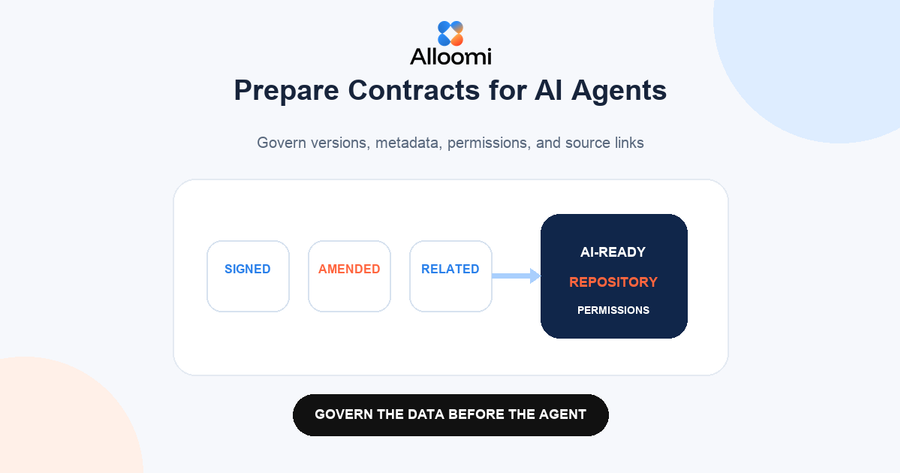
How to Prepare a Contract Repository for AI Agents
Learn how to organize contracts, versions, metadata, permissions, and review controls before connecting an AI agent to your repository.
Read more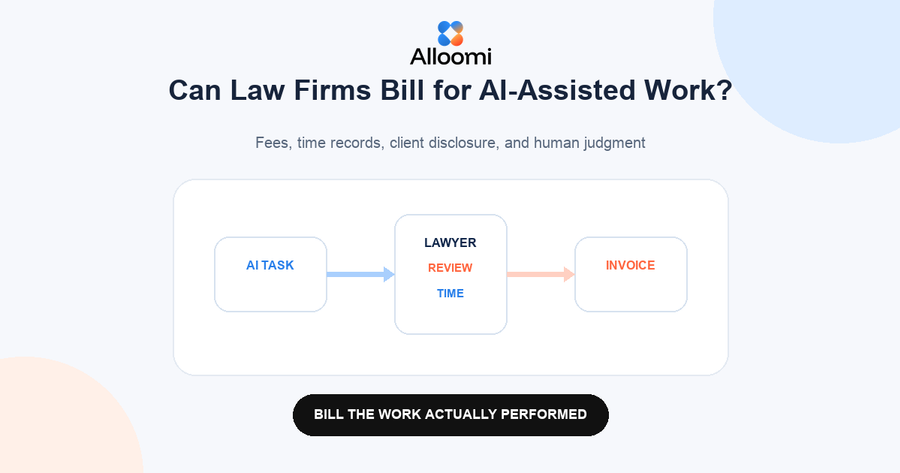
Can Law Firms Bill for AI-Assisted Legal Work? What a New Court Ruling Means
Learn how AI-assisted legal work affects hourly fees, expenses, client disclosure, and billing records after a new federal appellate ruling.
Read more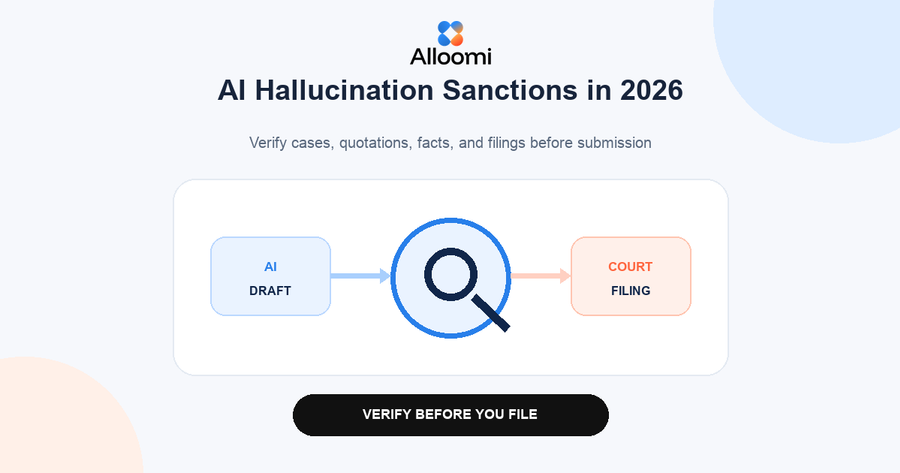
AI Hallucination Sanctions in 2026: What Lawyers Must Verify
Review the 2026 AI hallucination sanctions trend and learn how lawyers can verify citations, quotations, facts, and filings before submission.
Read more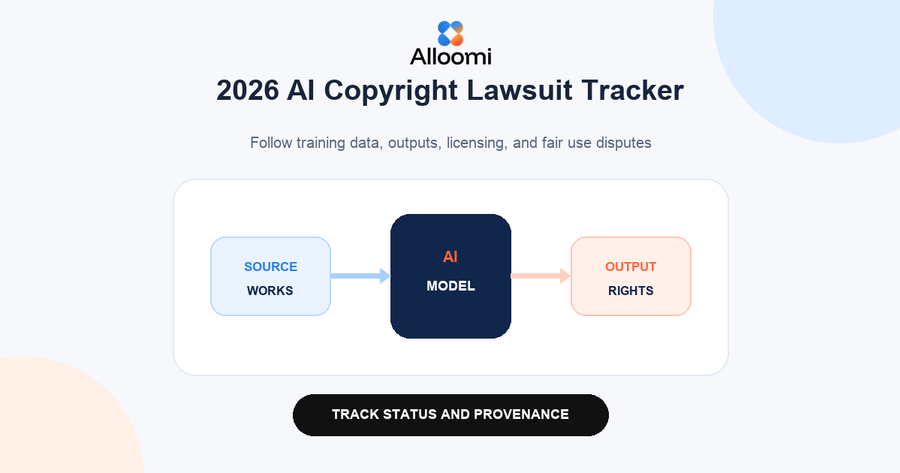
2026 AI Copyright Lawsuit Tracker: What Legal Teams Should Watch
Track major 2026 AI copyright disputes involving publishers, news organizations, training data, model outputs, licensing, and fair use.
Read more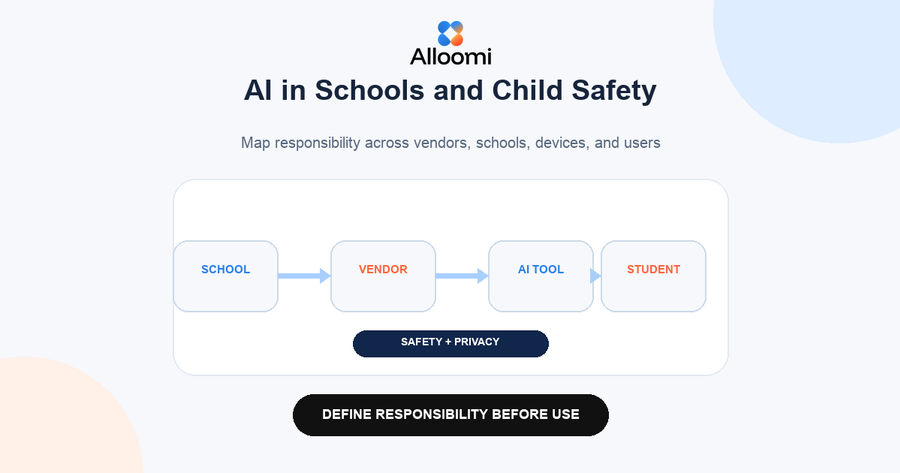
AI in Schools and Child Safety: Who Bears the Legal Risk?
Learn how schools and AI vendors can address child safety, privacy, product design, monitoring, contracts, and incident response.
Read more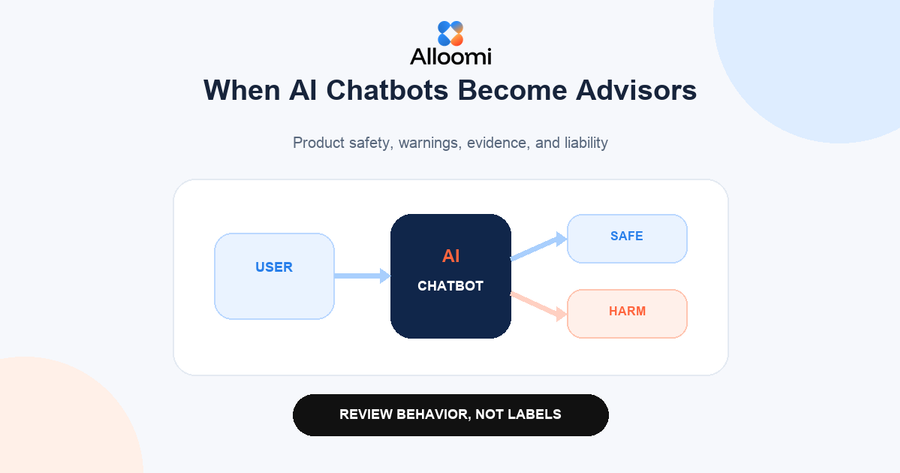
When AI Chatbots Become Advisors, Who Is Liable?
Explore product liability, safety design, warnings, evidence, and governance questions when users rely on AI chatbots for harmful advice.
Read more
How Should Lawyers Verify AI-Generated Evidence Before Using It?
Learn how to evaluate the authenticity, reliability, provenance, and admissibility of evidence created, altered, summarized, or analyzed with AI.
Read more
The $2.5 Trillion AI Stock Sell-Off: What Legal Risks Come Next?
Learn how a major AI stock sell-off can create disclosure, investigation, litigation, and document-preservation risks for public companies.
Read more
Can Using AI Waive Attorney-Client Privilege? What Lawyers Should Check
Learn when sharing legal information with an AI tool may create confidentiality or privilege risks and what lawyers should check before use.
Read more
What Is Privilege Review? How Legal Teams Prevent Accidental Disclosure
Learn how legal teams identify privileged material, document review decisions, manage redactions, and reduce accidental disclosure in discovery.
Read more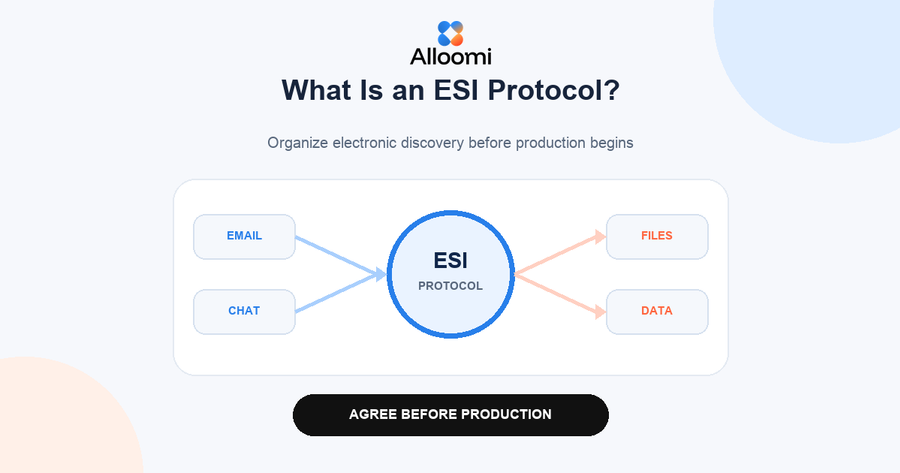
What Is an ESI Protocol? How Legal Teams Organize Electronic Discovery
Learn how an ESI protocol defines preservation, collection, search, production format, metadata, privilege, and dispute procedures in discovery.
Read more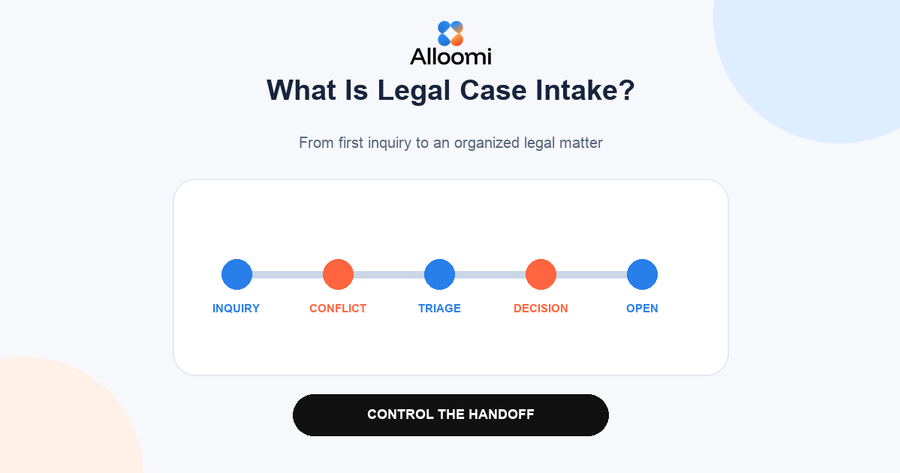
What Is Legal Case Intake? How Law Firms Turn New Inquiries Into Matters
Learn how legal case intake works, from initial inquiry and conflict checks to matter opening, prioritization, and assignment.
Read more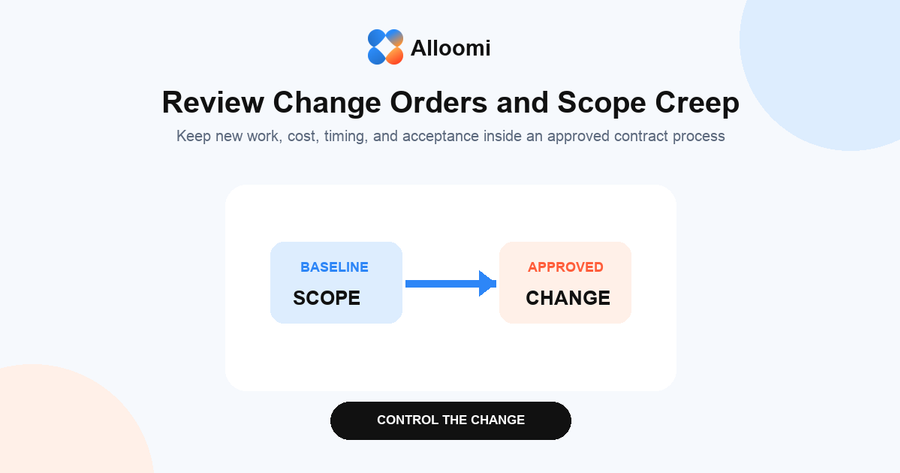
How to Review Change Orders and Prevent Scope Creep
Learn how to review change orders, define scope baselines, assess cost and schedule impact, control approvals, and update contract documents.
Read more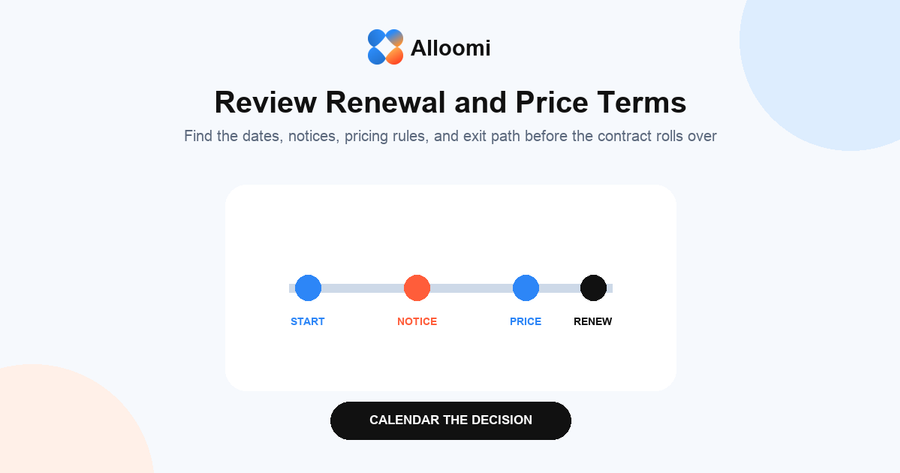
How to Review Contract Renewal and Price Increase Terms
Review automatic renewal, notice windows, price increases, cancellation methods, renewal commitments, and records before signing.
Read more
How to Review a Data Processing Agreement Before Signing
Learn how to review processing roles, instructions, security, subprocessors, incidents, transfers, audits, and data deletion.
Read more
How to Review Warranty and Disclaimer Clauses Before Signing
Review contractual warranties, performance standards, disclaimers, remedy limits, and acceptance terms before signing an agreement.
Read more
How to Review an Indemnification Clause in a Contract
Learn how to review indemnity triggers, covered claims, defense duties, settlement control, exclusions, and liability caps before signing.
Read more
Texas AI Law Is Now in Effect: What Contract Review Teams Should Check
Learn how Texas TRAIGA affects AI contract review, including scope, disclosures, prohibited uses, biometrics, records, and governance.
Read more
California Subscription Contracts After the Automatic Renewal Law Update
Review California subscription contracts for consent, renewal notices, cancellation methods, price changes, records, and updated terms.
Read more
The EU AI Act Transparency Rules Are Live. Do Your AI Contracts Cover Them?
Review AI contracts for Article 50 disclosure, labeling, machine-readable marking, and provider-deployer cooperation requirements.
Read more
Colorado's New AI Law Is Coming: What Legal Teams Should Change in Vendor Contracts
Learn how legal teams can prepare AI vendor contracts for Colorado's automated decisionmaking technology requirements taking effect in 2027.
Read more
How to Review Boilerplate Clauses That Can Change the Deal
Learn how assignment, notices, governing law, entire agreement, severability, amendment, and waiver clauses can change a deal.
Read more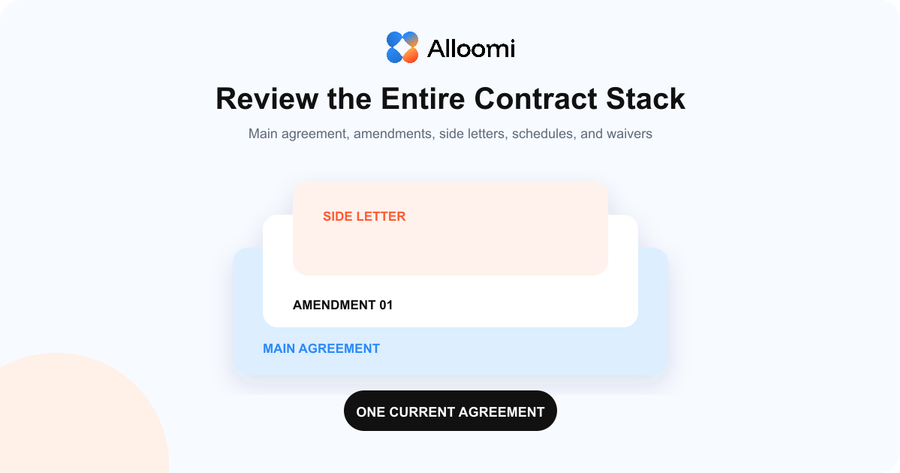
How to Review Contract Amendments and Side Letters Together
Learn how to review a main agreement, amendments, side letters, schedules, and waivers as one current contract record.
Read more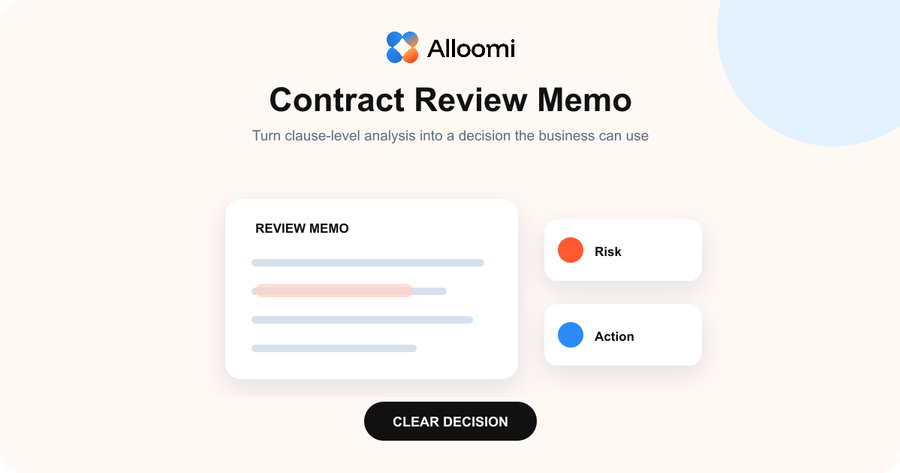
What Is a Contract Review Memo? How to Report Risks Clearly
Learn what a contract review memo contains and how to turn clause-level risks into clear recommendations and business decisions.
Read more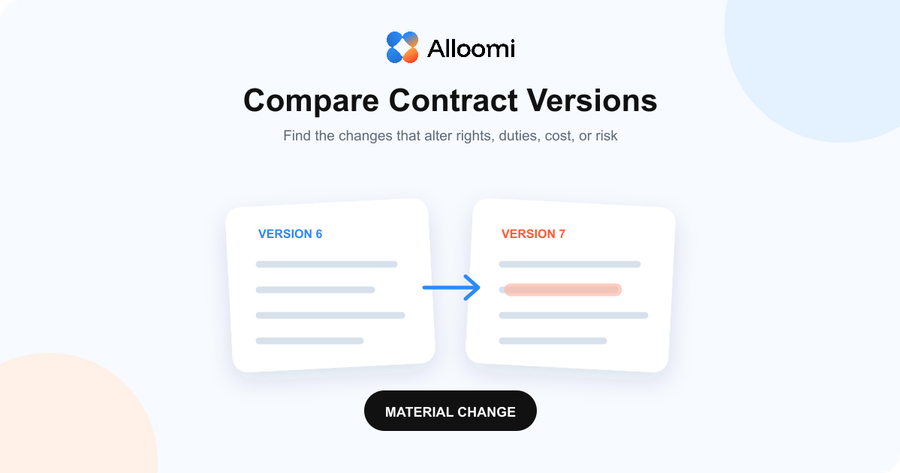
How to Compare Contract Versions Without Missing Material Changes
Learn how to compare contract versions, identify material changes, assess business impact, and preserve a reliable review record.
Read more Your Lawyers Are Already Using AI. Does Your Firm Have a Policy?
Learn how to create a practical law firm AI policy covering approved tools, confidential data, human review, disclosure, and incident response.
Read moreAI Drafted It. How Do Lawyers Know the Work Is Actually Right?AI Drafted It. How Do Lawyers Know the Work Is Actually Right?
Learn how lawyers verify AI-generated research, facts, citations, contract analysis, and legal drafts before relying on the results.
Read moreIf AI Made the Decision, Can Your Legal Team Reconstruct It?If AI Made the Decision, Can Your Legal Team Reconstruct It?
Learn why legal AI needs a traceable record of documents, prompts, sources, outputs, corrections, and lawyer approval.
Read moreWho Reviews the Reviewer? Supervising AI-Assisted Legal WorkWho Reviews the Reviewer? Supervising AI-Assisted Legal Work
Learn how lawyers should assign, monitor, verify, and approve AI-assisted legal work instead of reviewing only the final draft.
Read moreFrom Regulatory Update to Legal Action: How AI Helps Teams Keep UpFrom Regulatory Update to Legal Action: How AI Helps Teams Keep Up
Learn how legal teams use AI to monitor regulatory change, assess business impact, assign actions, and maintain a defensible compliance process.
Read moreStop Answering the Same Legal Question Twice: Build an AI Legal Help DeskStop Answering the Same Legal Question Twice: Build an AI Legal Help Desk
Learn how to build an AI legal help desk that answers routine questions from approved sources while protecting accuracy, confidentiality, and legal judgment.
Read moreBefore the Deposition: How Lawyers Prepare Smarter With AIBefore the Deposition: How Lawyers Prepare Smarter With AI
Learn how lawyers use AI to organize evidence, build timelines, develop questions, and prepare witnesses before a deposition.
Read moreWhere Did the Legal Budget Go? AI Can Help Find OutWhere Did the Legal Budget Go? AI Can Help Find Out
Learn how AI helps legal teams review outside counsel bills, identify unusual charges, and understand where legal budgets are being spent.
Read moreThe Solo Lawyer's Secret to Finding Critical Case Contradictions FasterThe Solo Lawyer's Secret to Finding Critical Case Contradictions Faster
See how solo lawyers use AI to compare case files, uncover conflicting facts, and trace each potential contradiction back to its source.
Read moreThe AI Workflow Every Lawyer Needs to Work More EfficientlyThe AI Workflow Every Lawyer Needs to Work More Efficiently
Learn how lawyers use AI to reduce repetitive work, review documents faster, organize knowledge, and keep human judgment in control.
Read moreHow AI Supports Trademark Searches and Legal ReviewHow AI Supports Trademark Searches and Legal Review
Learn how AI supports trademark searching, result analysis, clearance workflows, and human review before a trademark application.
Read moreHow Legal Teams Manage AI Agent Permissions SafelyHow Legal Teams Manage AI Agent Permissions Safely
Learn how legal teams control AI agent access, actions, data, approvals, and audit records without slowing useful automation.
Read moreWhat Is Legal Case Management Software?What Is Legal Case Management Software?
Learn how legal case management software organizes matters, deadlines, documents, billing, communication, and law firm workflows.
Read moreWhat Is Legal Operations? How Modern Legal Teams WorkWhat Is Legal Operations? How Modern Legal Teams Work
Legal operations brings process, data, technology, and financial discipline to the delivery of legal services.
Read moreWhat Is Attorney-Client Privilege? What It Protects and What It Does NotWhat Is Attorney-Client Privilege? What It Protects and What It Does Not
Attorney-client privilege can protect confidential legal communications, but it does not cover every conversation, fact, or document.
Read moreWhat Is a Legal Hold? When and How Evidence Is PreservedWhat Is a Legal Hold? When and How Evidence Is Preserved
A legal hold protects potentially relevant evidence when litigation or another legal proceeding is reasonably anticipated.
Read moreWhat Is E-Discovery? How Legal Teams Handle Electronic EvidenceWhat Is E-Discovery? How Legal Teams Handle Electronic Evidence
E-discovery is the process of preserving, collecting, reviewing, and producing electronic information for litigation or investigations.
Read moreWhat Is a Legal AI Agent? How It Works in Legal PracticeWhat Is a Legal AI Agent? How It Works in Legal Practice
A legal AI agent does more than answer a prompt. It can move a defined legal task forward while lawyers retain control over the result.
Read moreThe Solo Lawyer's Efficiency Advantage: How to Get More Done Without Lowering StandardsThe Solo Lawyer's Efficiency Advantage: How to Get More Done Without Lowering Standards
A solo practice becomes more efficient when routine work stops competing with the legal judgment clients actually need.
Read moreWhat Is Legal Matter Management? How Legal Teams Organize WorkWhat Is Legal Matter Management? How Legal Teams Organize Work
Legal matter management gives a legal team a reliable way to follow work from the first request through resolution and closure.
Read moreWhat Is a Law Clerk? Duties, Skills, and Career PathWhat Is a Law Clerk? Duties, Skills, and Career Path
Law clerks support judges and legal teams through research, writing, case review, and careful preparation of legal materials.
Read moreWhat Is RAG in Legal AI?What Is RAG in Legal AI?
See how RAG helps Legal AI retrieve relevant sources, generate grounded answers, and connect legal analysis to supporting evidence.
Read moreWhat Is AI Document Review in Litigation?What Is AI Document Review in Litigation?
AI review speeds up first-pass sorting but misreads privilege and intent. Here's the workflow that holds up, and the four risks to check first.
Read moreContract Lifecycle Management (CLM): How It Works and When You Need ItContract Lifecycle Management (CLM): How It Works and When You Need It
Learn how contract lifecycle management works, what CLM software does, when a legal team needs it, and how AI supports contract workflows.
Read moreAI Contract Review: Automation and Lawyer JudgmentAI Contract Review: Automation and Lawyer Judgment
How AI contract review identifies clauses, compares language, prepares revisions, and supports lawyers without replacing professional judgment.
Read moreHow to Choose a Contract Authoring Tool for Your Legal TeamHow to Choose a Contract Authoring Tool for Your Legal Team
Templates and clause libraries are table stakes. The five questions that actually separate tools — and the demo trap that hides weak controls.
Read moreFrom Prompt to Practice: How an AI Assistant Supports Legal WorkFrom Prompt to Practice: How an AI Assistant Supports Legal Work
See how an AI assistant helps lawyers research, review documents, draft content, preserve context, and follow matters through to the next step.
Read moreFrom Intake to Action: How AI Helps Legal Teams Triage New MattersFrom Intake to Action: How AI Helps Legal Teams Triage New Matters
See how AI helps legal teams collect requests, identify missing information, prioritize matters, and prepare next steps while lawyers retain control.
Read moreHow to Build a Contract Review Playbook With AIHow to Build a Contract Review Playbook With AI
Build an AI contract review playbook with approved positions, fallback language, escalation rules, and lawyer-controlled review standards.
Read more
What Is a Legal Quant? Skills, Workflows, and Risks
A legal quant combines legal judgment with AI, automation, data, and workflow design to build faster and more consistent ways of practicing law.
Read more
What Is a Contract Compliance Audit? Process and Key Risks
An audit compares what the contract promises with what actually happened. The five-step process, and the five discrepancies that show up most.
Read more
How to Review a Statement of Work Without Missing Key Risks
Review an SOW for scope, deliverables, pricing, acceptance, changes, and conflicts before the project begins.
Read more
What Is a Statement of Work (SOW)? Key Sections and Uses
A statement of work defines project scope, deliverables, deadlines, pricing, and acceptance. See what an SOW includes and how it works with an MSA.
Read more
How Lawyers Use AI to Work Faster Without Losing Quality
Lawyers lose hours to repetitive drafting and review. See how legal AI cuts the busywork without sacrificing quality or confidentiality.
Read more
How to Redline a Contract With AI Safely and Effectively
Use AI to redline contracts securely, apply approved negotiation positions, review proposed changes, and maintain reliable version control.
Read more
How to Review an NDA: An 8-Step Checklist
Review an NDA in eight practical steps, covering confidential information, permitted use, exclusions, duration, disclosures, and hidden risks.
Read more
What Is an NDA? Key Terms, Types, and When to Use One
An NDA is only as strong as its carve-outs. See the four clauses that decide whether your confidential information is really protected.
Read more
What Is an AI Assistant? From Simple Tools to AI Employees
AI employees finish. The difference shows up in who owns the follow-up — here is how to tell which one you need.
Read more
How to Draft a Contract: 8 Steps and Best Practices
A practical eight-step guide to drafting clear contracts, covering scope, payment, risk allocation, review, negotiation, and final approval.
Read more
What Is Contract Authoring and Drafting? Definition & Uses
Contract authoring and drafting turn business terms into clear, workable agreements ready for review, negotiation, and signature.
Read more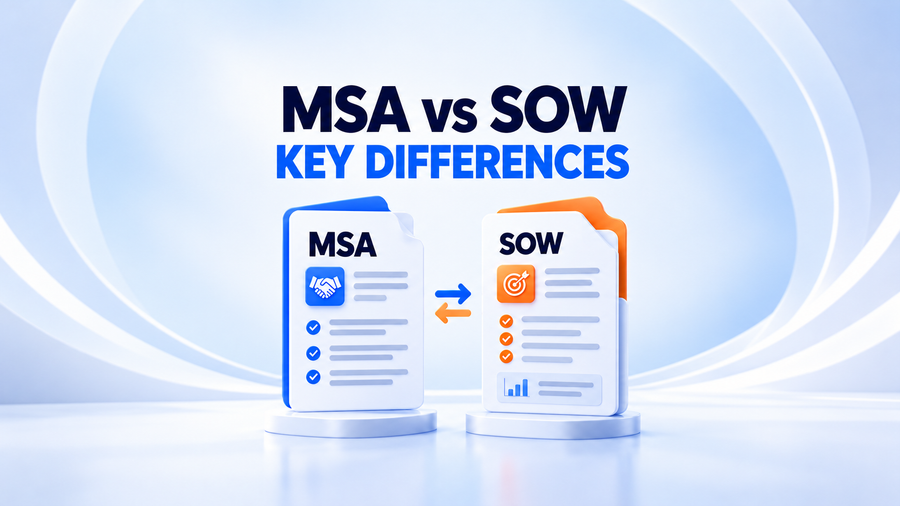
MSA vs SOW: What's the Difference and Which One Wins?
When an MSA and an SOW disagree, one usually wins — and it's not the one most teams expect. See the precedence rules with clause examples.
Read more
How to Review an MSA: A 9-Step Checklist
Learn how to review an MSA step by step, from the contract stack and SOW framework to payment, IP, liability, termination, and final approval.
Read more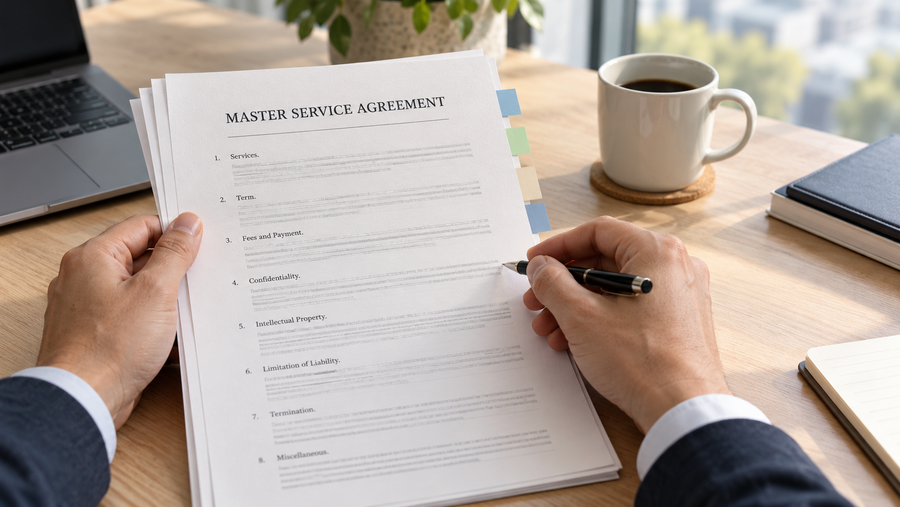
What Is a Master Service Agreement (MSA)? 8 Key Clauses
Learn what a master service agreement is, how an MSA works with a statement of work, and eight key clauses to review before signing.
Read more
Why More Lawyers and Law Firms Are Using Legal AI
Discover why lawyers and law firms are adopting legal AI, where it delivers value, and how AI employees support contract review and daily work.
Read more
What Is an AI Employee? How It Works in Legal Teams
Learn what an AI employee is, how it differs from chatbots and AI agents, and how it supports contract review and other professional work.
Read more
What Is a Contract? Definition, Elements, and Examples
A contract creates legally enforceable obligations. Understand its essential elements, common types, key terms, formation, breach, and review.
Read more
Why Contract Review Is Important: Key Risks and Benefits
Learn why contract review matters, the risks of skipping it, and how careful review protects value, reduces disputes, and supports better decisions.
Read moreHow to Review a Contract Before Signing: A Practical GuideHow to Review a Contract Before Signing: A Practical Guide
Eight checks that catch most costly clauses, in the order a lawyer runs them. Includes the red flags that only appear in cross-references.
Read moreHow to Use AI in Contract Negotiation Without Losing ControlHow to Use AI in Contract Negotiation Without Losing Control
AI can speed contract negotiation without replacing legal judgment. Use it to review drafts, compare clauses, manage redlines, and retain control.
Read moreAI for Legal Research: How to Find and Verify AuthorityAI for Legal Research: How to Find and Verify Authority
AI can accelerate legal research, but every authority must be verified. See how lawyers can scope questions, check citations, and use AI responsibly.
Read moreAI for Personal Injury Lawyers: Practical Uses and RisksAI for Personal Injury Lawyers: Practical Uses and Risks
AI helps personal injury lawyers organize records, prepare chronologies, draft working documents, and manage cases while retaining human judgment.
Read moreAI for Legal Due Diligence: How Teams Review Documents and Surface RiskAI for Legal Due Diligence: How Teams Review Documents and Surface Risk
See how legal teams use AI to organize due diligence documents, identify potential issues, verify findings, and prepare clearer review results.
Read moreHow Legal Teams Turn Past Work Into Reusable Knowledge With AIHow Legal Teams Turn Past Work Into Reusable Knowledge With AI
Most teams lose their best work in old matter files. See how AI turns past drafts and advice into searchable precedent without leaking client data.
Read moreHow Small Law Firms Can Compete and Grow With AIHow Small Law Firms Can Compete and Grow With AI
AI helps small law firms reduce routine work, improve client service, and build repeatable workflows while lawyers retain judgment and control.
Read more